
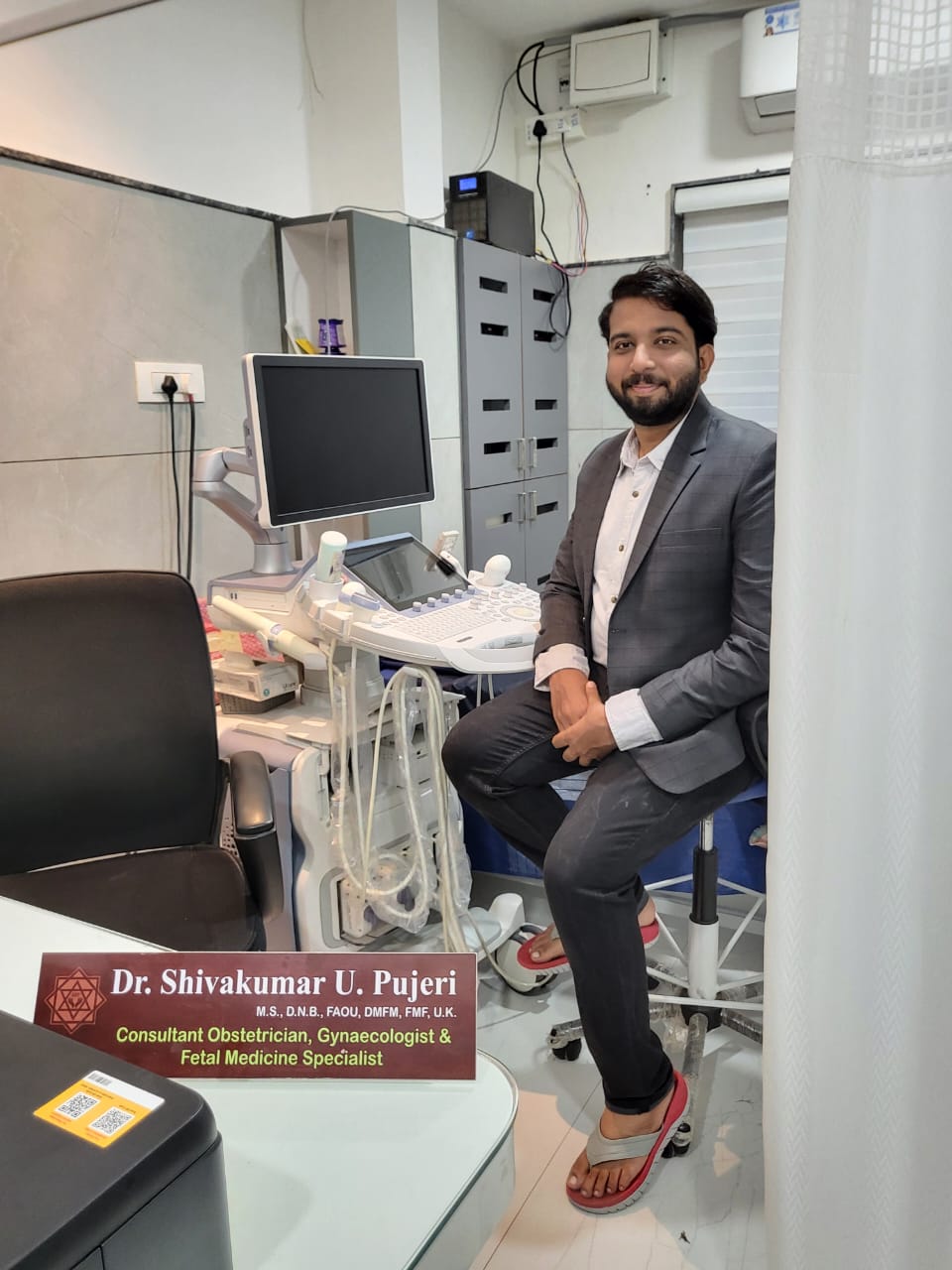
Shreeya Hospital specializes in advanced laparoscopic surgery, offering patients the benefits of minimally invasive surgical techniques. Our experienced surgeons perform a wide range of laparoscopic procedures with precision and expertise, ensuring optimal outcomes with minimal discomfort and faster recovery times.
Laparoscopic surgery, also known as keyhole surgery, uses small incisions and a camera system to perform complex surgical procedures. This advanced technique results in less pain, minimal scarring, shorter hospital stays, and quicker return to normal activities compared to traditional open surgery.
Advantages of choosing minimally invasive surgical techniques
Small incisions of 5-10mm result in tiny scars that fade significantly over time, providing excellent cosmetic outcomes.
Most patients return to normal activities within 1-2 weeks, compared to 4-6 weeks with traditional surgery.
Smaller incisions mean less tissue damage, resulting in significantly reduced post-operative pain and discomfort.
Many procedures are performed as day surgery or require only 1-2 days hospitalization compared to 3-5 days for open surgery.
Smaller incisions reduce exposure to external contaminants, lowering the risk of post-operative infections.
High-definition camera provides magnified view of surgical area, enabling more precise surgical procedures.
Comprehensive range of minimally invasive gynecological surgeries
Removal of the uterus through small incisions, treating conditions like fibroids, endometriosis, or abnormal bleeding.
Removal of ovarian cysts while preserving healthy ovarian tissue, with minimal impact on fertility.
Surgical removal of uterine fibroids while preserving the uterus for women who wish to maintain fertility.
Removal of endometrial tissue growths to relieve pain and improve fertility outcomes.
Permanent contraception procedure performed laparoscopically with minimal recovery time.
Safe removal of ectopic pregnancy with preservation of the fallopian tube when possible.
Treatment of pelvic adhesions that may cause pain or fertility issues.
Investigative procedure to diagnose causes of pelvic pain, infertility, or other gynecological issues.
What to expect during your surgical journey
Comprehensive evaluation, necessary tests, and pre-operative instructions to prepare for surgery.
Small incisions made, camera inserted, procedure performed using specialized instruments under general anesthesia.
Recovery in hospital for observation, pain management, and initial post-operative care.
Follow-up appointments, wound care instructions, and gradual return to normal activities.
What to expect during your recovery period
Hospital stay for monitoring. Mild pain and discomfort managed with medication. Encouraged to walk short distances.
Rest at home. Gradual increase in activity. Light walking encouraged. Avoid heavy lifting and strenuous activities.
Most patients return to light work and normal daily activities. Continue to avoid heavy lifting and exercise.
Gradually resume all normal activities including exercise. Follow-up appointment to check healing progress.
Common questions about laparoscopic surgery
Yes, laparoscopic surgery is very safe when performed by experienced surgeons. It actually has a lower risk of complications compared to open surgery due to smaller incisions, less tissue trauma, and reduced infection risk. Our surgical team has extensive experience in laparoscopic procedures and follows strict safety protocols.
The duration varies depending on the specific procedure. Simple diagnostic laparoscopy may take 30-60 minutes, while more complex procedures like hysterectomy or myomectomy may take 1-3 hours. Your surgeon will provide an estimated time during your pre-operative consultation.
Laparoscopic surgery leaves minimal scarring. Typically, you'll have 2-4 small scars (5-10mm each) that fade significantly over time. These are much smaller than the 10-20cm scar from traditional open surgery. Most patients find the scars barely noticeable after a year.
Most patients can return to desk work within 1-2 weeks, depending on the complexity of the procedure and individual recovery. For physically demanding jobs, it may take 3-4 weeks. Your surgeon will provide specific guidance based on your procedure and occupation.
Our expert surgeons are ready to discuss your treatment options
Book Consultation