
Non-Invasive Prenatal Testing / Non-Invasive Prenatal Screening
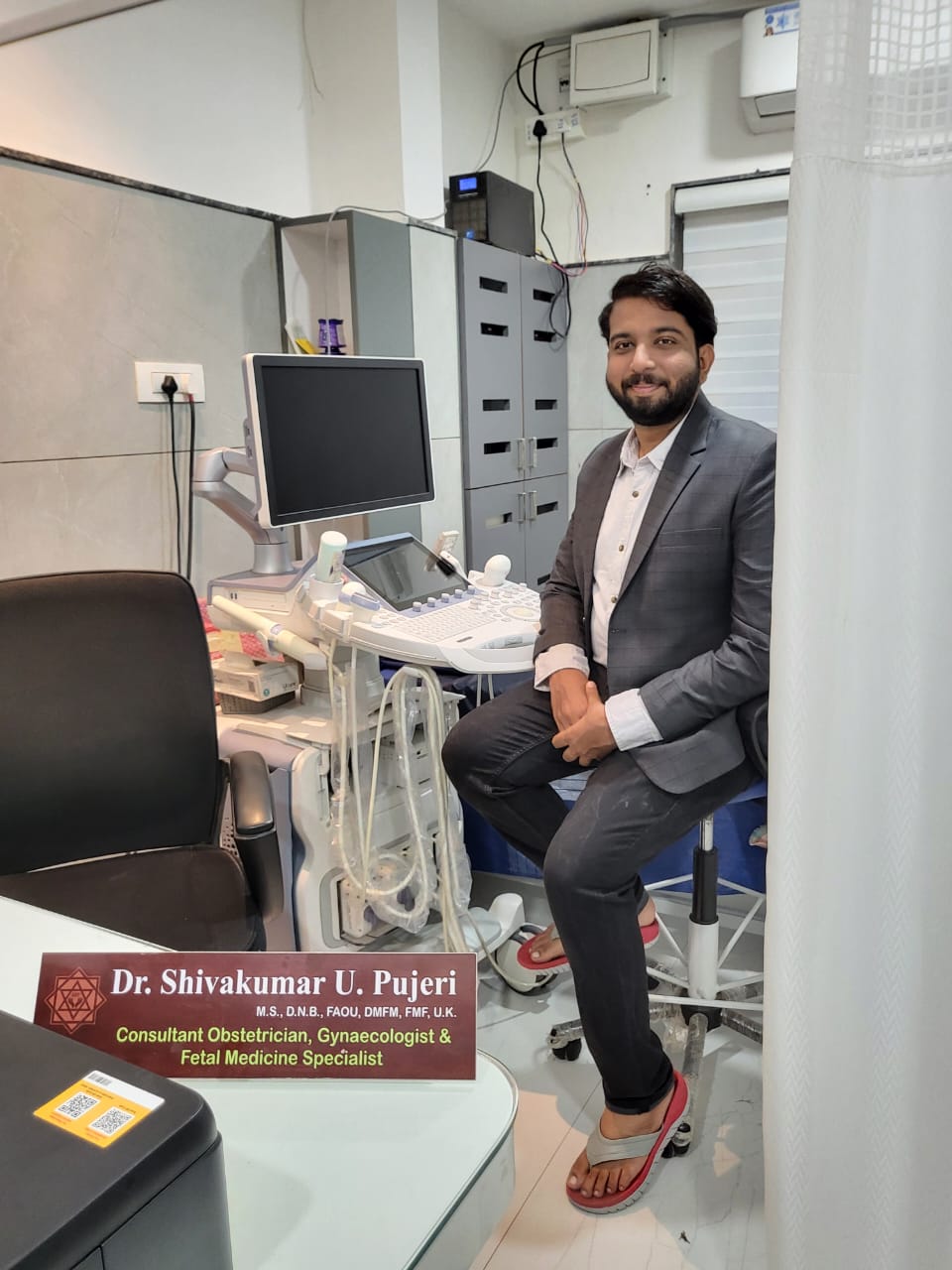
NIPT (Non-Invasive Prenatal Testing), also known as NIPS (Non-Invasive Prenatal Screening), is a revolutionary blood test that screens for chromosomal abnormalities in your developing baby using cell-free fetal DNA found in the mother's bloodstream. This advanced screening method provides highly accurate results without any risk to you or your baby.
At Shreeya Hospital, we offer state-of-the-art NIPT/NIPS testing as part of our comprehensive prenatal care program. This simple blood test can be performed as early as 10 weeks of pregnancy and provides peace of mind with over 99% accuracy for detecting common chromosomal conditions.
Why this test is the gold standard in prenatal screening
No risk of miscarriage. Only requires a simple blood draw from the mother's arm.
Over 99% detection rate for Trisomy 21 (Down syndrome) and other major chromosomal abnormalities.
Can be performed from 10 weeks of pregnancy, earlier than many other screening tests.
Just a routine blood test - no complex procedures or preparations needed.
Receive comprehensive results within 7-10 days from sample collection.
High accuracy provides reassurance and reduces anxiety during pregnancy.
Comprehensive screening for chromosomal abnormalities
The test screens for the most common trisomy conditions with high accuracy:
Optional screening for sex chromosome conditions:
As a bonus feature, NIPT can accurately determine your baby's sex:
Some expanded NIPT panels can screen for:
Simple process from blood draw to results
Discuss the test with your doctor, including benefits and what it screens for.
A simple blood draw from your arm (10-20ml). Can be done from 10 weeks of pregnancy.
Lab analyzes cell-free fetal DNA from your blood sample using advanced sequencing technology.
Receive results in 7-10 days. Doctor explains findings and next steps if needed.
Understanding the test performance and what results mean
Recommended for all pregnant women, especially those with higher risk factors
Women over 35 have increased risk of chromosomal abnormalities. NIPT is highly recommended.
If NT scan or biochemical markers show increased risk, NIPT provides more accurate assessment.
Previous pregnancy with chromosomal abnormality or family history of genetic conditions.
NIPT is suitable for all pregnant women seeking accurate, non-invasive prenatal screening.
Women who conceived through IVF often choose NIPT for comprehensive prenatal screening.
Any expectant mother wanting the most accurate, safest prenatal screening available.
Common questions about NIPT/NIPS testing
NIPT can be performed from 10 weeks of pregnancy onwards. This is earlier than many other prenatal screening tests. Some providers offer testing as early as 9 weeks. Your doctor will advise on the best timing based on your pregnancy.
Coverage varies by insurance provider and individual circumstances. Many insurance plans cover NIPT for high-risk pregnancies (maternal age 35+, abnormal screening results). We recommend checking with your insurance provider. Our staff can help with insurance questions and provide cost estimates.
A high-risk result means there's an increased probability of a chromosomal condition, but it's not a diagnosis. We recommend diagnostic testing (amniocentesis or CVS) to confirm the result. Our genetic counselors will guide you through the process, explain all options, and provide support for any decisions you need to make.
NIPT is highly accurate for the specific chromosomal conditions it screens for (primarily trisomies 21, 18, and 13), but it doesn't detect all genetic conditions. It won't identify structural abnormalities, neural tube defects, or single-gene disorders. That's why we combine NIPT with ultrasound screening for comprehensive prenatal care.
Yes, NIPT can be performed for twin pregnancies, though the accuracy may be slightly lower than for singleton pregnancies. For identical twins, results apply to both babies. For fraternal twins, the test screens both but cannot specify which twin is affected if a high-risk result is found. Discuss twin-specific considerations with your doctor.
Get accurate, safe prenatal screening with our advanced genetic testing
Book Consultation